

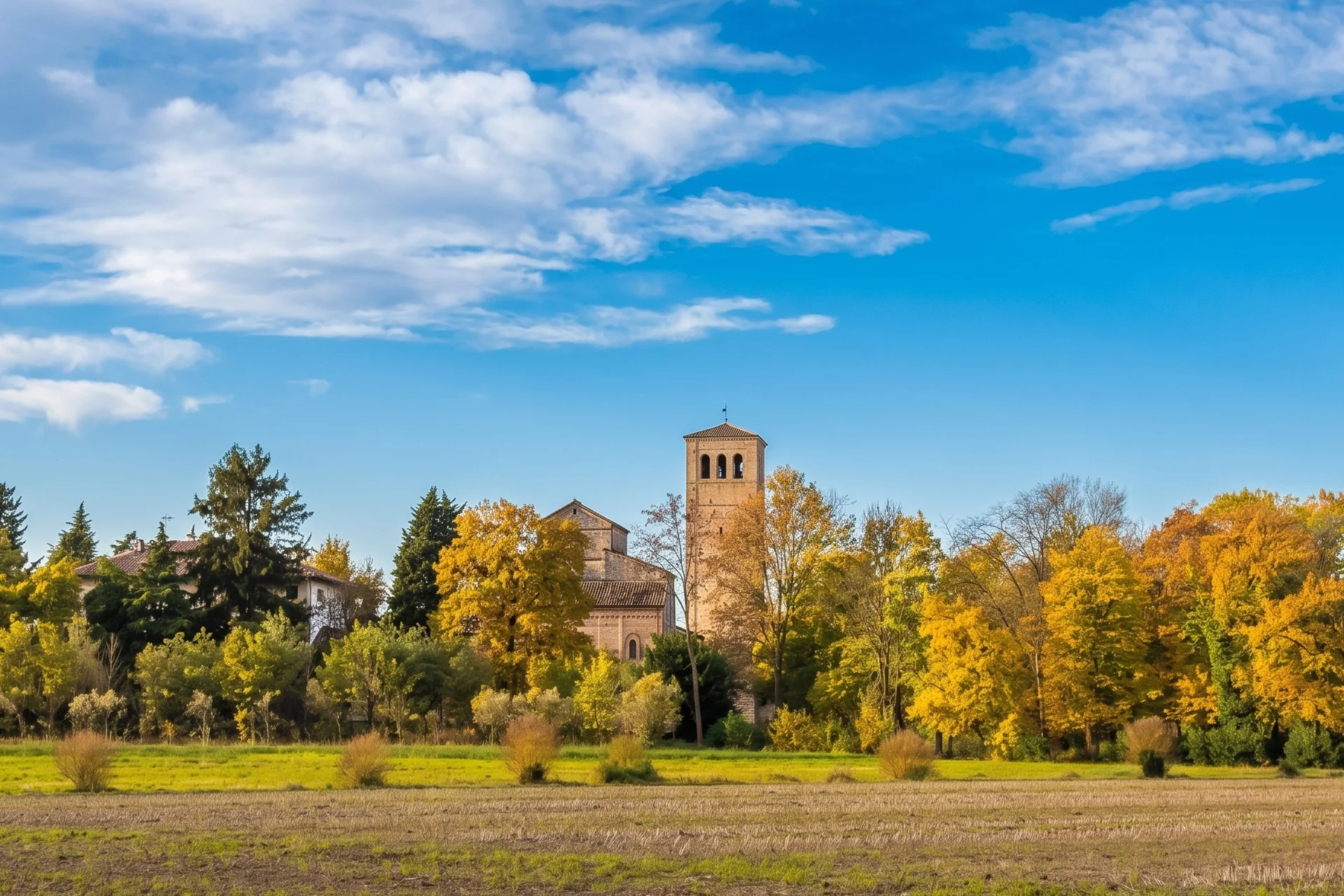
Staying here means experiencing something different.
Hotel In Sylvis
We are in the heart of one of the “Most Beautiful Villages in Italy”

Just steps from the Abbey of Santa Maria in Silvis, our hotel offers you a haven of tranquility, elegance, and genuine attention to every detail.

Staying at Hotel In Sylvis means treating yourself to a timeless experience.
Choosing Hotel In Sylvis means treating yourself to the perfect base for an unforgettable journey between Veneto and Friuli Venezia Giulia. Our strategic position allows you to plan a different experience every day, alternating the relaxation of the village with the discovery of Italy’s most captivating destinations.
- Cities of Art and Unique Wonders: Begin your journey with historic icons such as Venice and Trieste, let yourself be enchanted by the subterranean charm of the Postojna Cave or ascend towards the majesty of Cortina d’Ampezzo, the pearl of the Dolomites.
- Authentic Villages and Food & Wine: Discover the slow pace of Sauris or savor the excellence of cured ham in San Daniele del Friuli. For lovers of fine wine and good food, the Colli Orientali del Friuli offer unforgettable food and wine itineraries through wineries and lush hills.
- Sea and Relaxation 30 Minutes Away: If you love the sea horizon, the most famous beaches of the Upper Adriatic, such as Caorle, Jesolo, Lignano Sabbiadoro, and Bibione, can be comfortably reached in just 30 minutes by car.
- Culture and Premier Shopping: Immerse yourself in history along the circuit of the Venetian Villas, visiting the majestic Villa Manin, or indulge in a day dedicated to high-fashion shopping at the Designer Outlet (Noventa di Piave), less than half an hour away by highway.
Whether you want to explore the region or simply unwind at the end of the day, upon your return you will be welcomed by the peace of Sesto al Reghena and all the warmth of our hospitality.
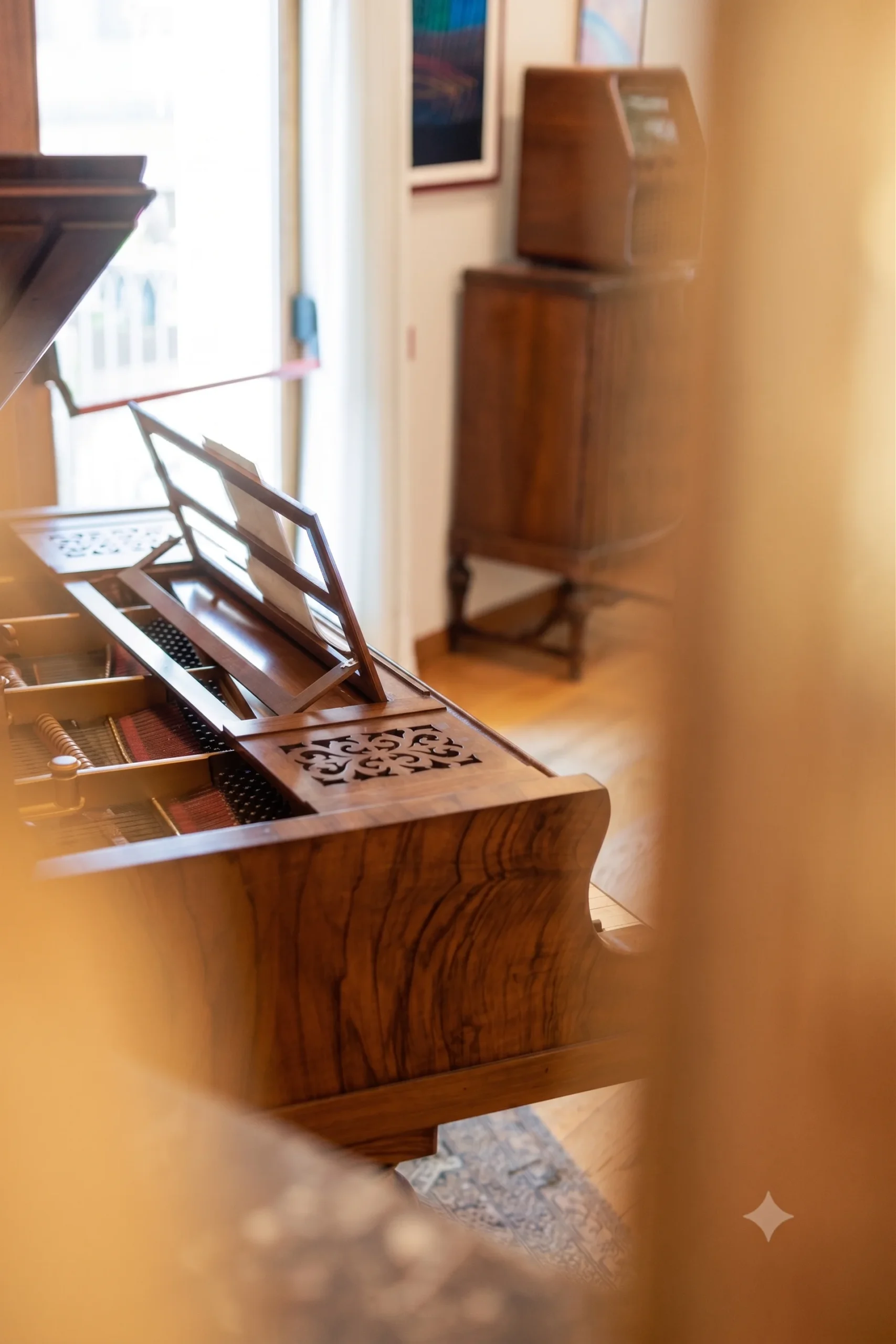
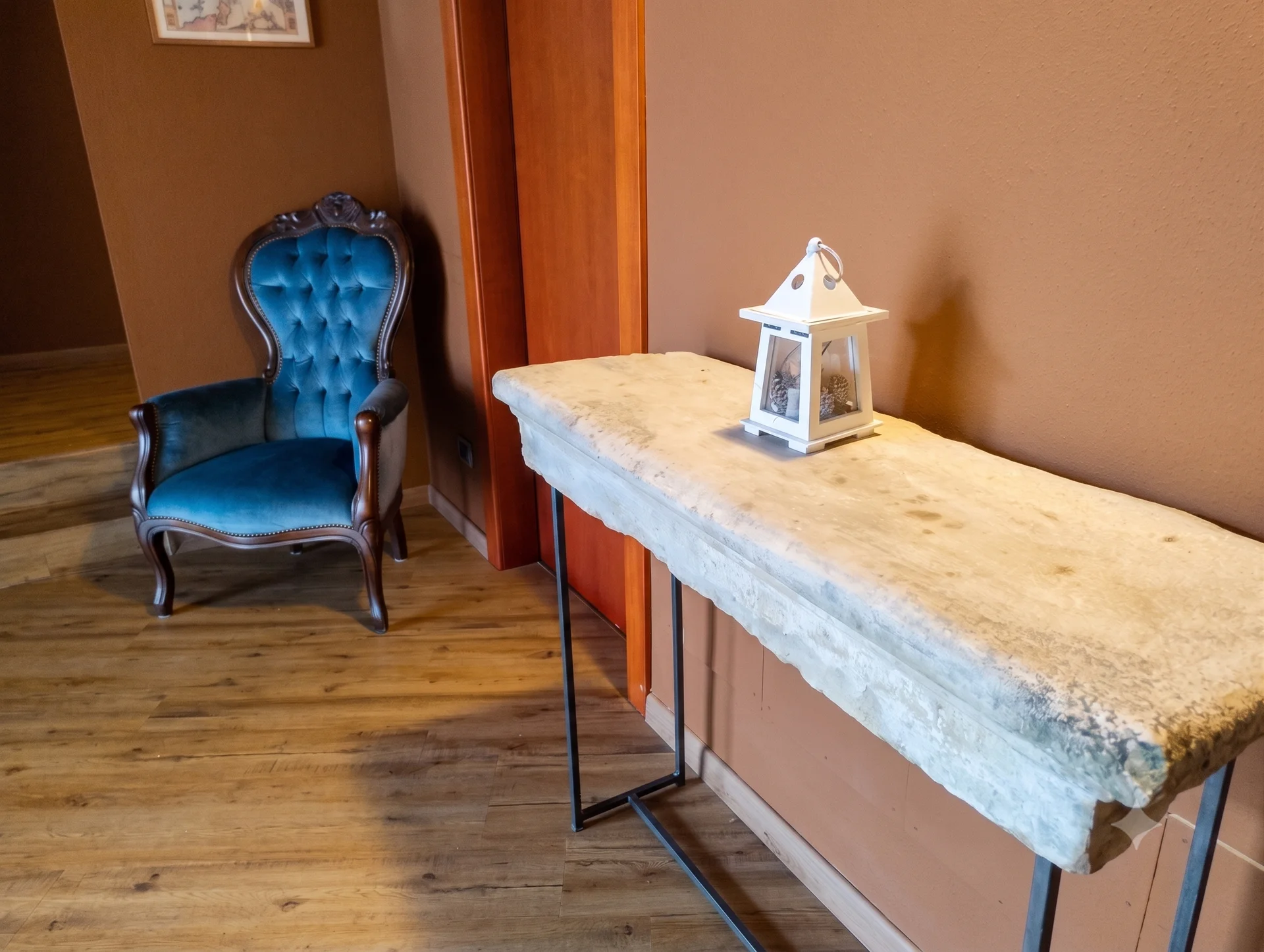

Ancient views
Here in Sesto al Reghena, true silence is rediscovered, and the rush of daily routine gives way to the pleasure of exploration and relaxation. Everything radiates from the majestic Abbey founded in 730 AD, the symbol of a medieval village preserved with care and passion.
Today, Hotel In Sylvis blends the charm of this historic setting with all the comforts of modern hospitality.
Whether you are here for a holiday exploring the region, a relaxing getaway, or a business trip, you will find a welcoming atmosphere, bright rooms, and a staff ready to make you feel right at home.

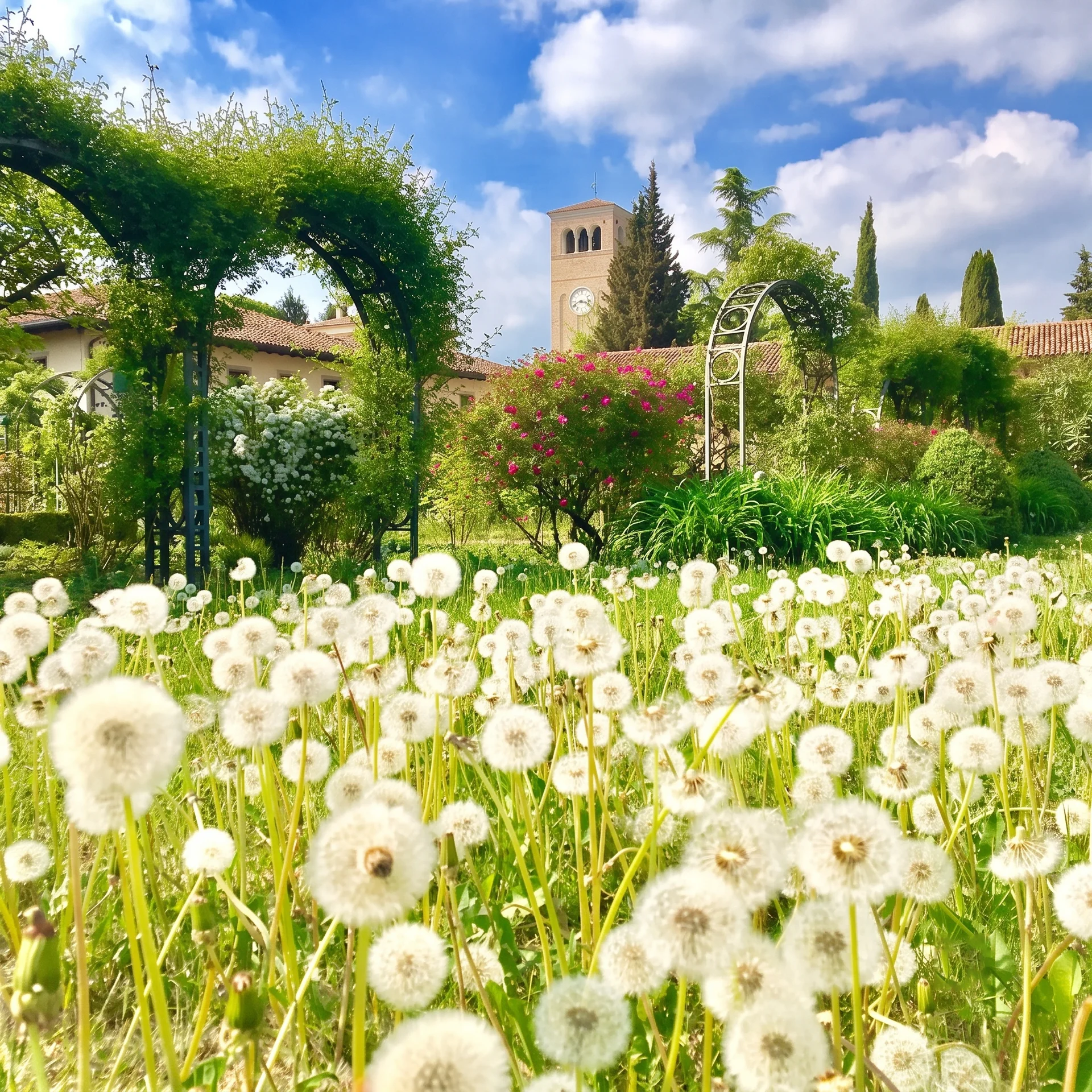
Nature trails through history, spring waters, and mills, to explore on foot or by bike
Leave the car behind and embrace the charm of slow tourism. Located in Piazza Aquileia, Hotel In Sylvis is the ideal starting point to explore the natural and literary wonders of the area on foot or by bike, rediscovering the joy of quiet moments and the open air.
Photo credits: Sesto al Réghena
facebook.com/comune.sestoalreghena


In Sesto al Reghena, time slows down, true quiet fills the air, and every corner is thoughtfully cared for.
It is no coincidence that it ranks among the Most Beautiful Villages in Italy: the moment you arrive, you feel it instantly.
A place steeped in over a thousand years of history. Everything stems from the Abbey of Santa Maria in Silvis, founded around 730 AD, the historic heart and symbol of the village.
From there, the village grew while keeping its character perfectly intact. Today, it stands as one of those rare places: small, authentic, and timeless.
Stroll through the historic center among peaceful corners and ancient architecture, visit the Abbey, or step just beyond to immerse yourself in lush greenery, waterways, and relaxing trails.
Everything is close, effortless, and simply special. Here, you find the time, the space, and that rare feeling of being in exactly the right place.


from the 2nd century BC
Our History
Our story begins in the 2nd century BC, when the present hotel was an ancient inn and staging post, renowned for serving wines, oil, and garum, just like the finest inns of the Roman Empire. Such was its fame that its owner, Veneteia Maxima, was granted the honor of a personal tomb—a rare privilege for a woman of that era. Her gravestone is preserved today in the lapidarium of the Abbey of Santa Maria In Sylvis, just steps away from the property.
The inn was destroyed during the passage of Attila and the Huns, only to be reborn in 1250 as a fortress thanks to Abbot Hermann. In 1441, Cardinal Pietro Barbo (the future Pope Paul II) ordered its renovation, which was completed by his nephew, Abbot Giovanni Michiel, a member of the Knights Templar. During this period, the Abbey and the hotel experienced their golden age, taking the name of Hospitale Profano, and later Palazzo.
The end of the Templars marked the beginning of its decline. In 1790, the Palazzo passed to the Marquisate of Sesto, and was later converted into a Napoleonic staging post by Major Giuseppe Marieni, complete with horses, carriages, staff, and a military garrison. After the republican era, it became a private residence and passed through several families until reaching the Vit Family, who carried out a meticulous restoration in 1998, returning the building to its original purpose as a hotel.
Today, artifacts uncovered during the restoration work bear witness to its long history and its connection to the Abbey and the Templars. Every room in the hotel is dedicated to figures who shaped its past, in tribute to those who helped make it unique. After 2,000 years, the ancient inn has returned to its former glory: on October 19, 1999, His Excellency Sennen Corrà, 75th Bishop of the Diocese of Concordia-Pordenone, inaugurated the Hotel In Sylvis and the Abate Ermanno Restaurant.

The fortified Abbey of Santa Maria in Sylvis, so named because in ancient times it stood in a dense forest (selva), is one of the most important Benedictine centers in Friuli Venezia Giulia.
Built in the 8th century by a noble Lombard family with close ties to the rulers of Cividale, it was later destroyed by Attila’s invasion, before being rebuilt toward the end of the 10th century. Excavations around the church uncovered an earlier building and several tombs; specifically, the structure discovered is an ancient pagan Roman temple.
This place once belonged to the Knights Templar, evidence of which can be found in the portico known as “La Loggetta” to the left of the entrance; indeed, there was a certain friendship and brotherhood between the Benedictines and the Templars. In the small loggia, we find evidence of the Knights’ passage through a fresco in which the figures depicted are the protagonists of the “Chanson de Roland”.
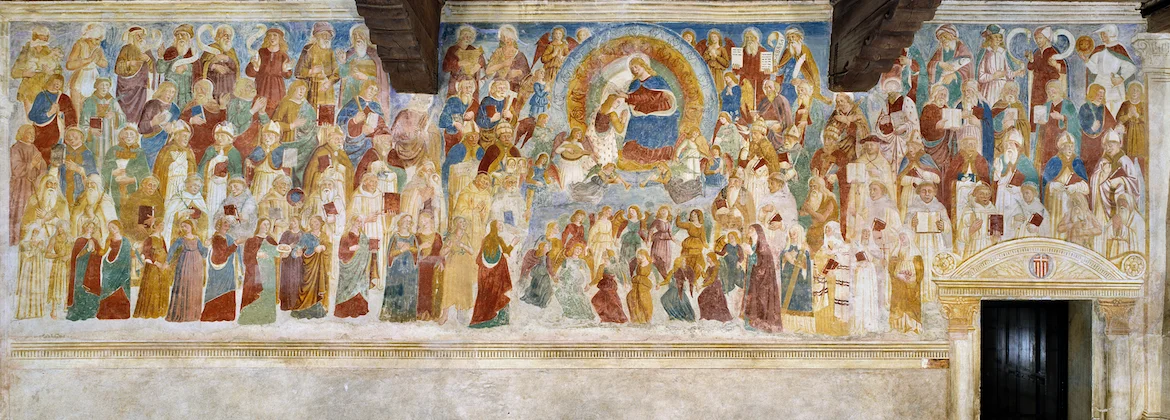
The church is in the Romanesque style and can be reached after walking down a long atrium supported by two rows of four pillars. Upon entering, visitors are drawn into two evocative scenes: Hell on the left and Heaven on the right. The hellish scene is described in vivid detail, with damned souls undergoing every kind of torture—making it impossible not to feel disturbed. However, what is most striking is that on the right, in Heaven, all the blessed souls look on emotionlessly at the terrifying scene before them. The main scene is the Coronation of Mary, but few are focused on the event; most of those present look out towards us, and therefore towards the chilling scene facing them. Another peculiarity is that while the fresco of Heaven is well-preserved, Hell appears scraped off in many places. This is due to the medieval custom of the faithful throwing stones at the devil to purify their sins before entering the church.
Displayed inside are several detached 15th-century frescoes featuring various crowned female figures to which no particular meaning has been assigned. One woman is kneeling, while the other has her arms crossed over her chest and contemplates the face of Jesus visible within a halo. This is no ordinary fresco. It too recalls the secrets kept by the Templars, perhaps referring to the greatest one: looking closely, one can discern a deep understanding between Jesus and the crowned woman, who contemplates him and smiles at him. At the same time, Jesus does not appear triumphant amid lights and angels; he is alone, and their gazes share a sense of complicity, guardians of the same secret.
If it were the result of a deliberate symbolism by the Order of the Knights, it could be Mary Magdalene.
Located at the center of the crypt, it is among the most precious treasures of Friuli. The material is pure white marble. The urn appears for the first time in 1339, described in a parchment still preserved today in the Udine library.
The Frattina family: Knights and Abbots, but also heretics and rebels
For four centuries, the Frattina family were loyal vassals of the Patriarchs, Lords of a land over which the Patriarchate of Aquileia would extend, covered at the time by a dense forest. Their castle stood on the western boundary, on the road leading from Pravisdomini to the Livenza river.
Testimony to the fame and prestige enjoyed by this powerful family was the appointment of Ermanno in 1245 as Benedictine Abbot of the Abbey of Sesto al Reghena. It was he who ordered the reconstruction of the current Hotel In Sylvis as a fortress to protect the Abbey. At the time wealthy and powerful, the family continued to enjoy influential friendships for two more centuries. Several of its members distinguished themselves through major military achievements, leading to the ennoblement of the House by Emperor Charles V, who named Marquardo della Frattina Count Palatine, a title hereditary to male descendants. The decline began in 1568 when Isabella della Frattina of Portogruaro was convicted of heresy, and her husband and son were banished forever from the Serenissima Republic for assaulting a Venetian nobleman and public official in Annone Veneto.
Pietro Barbo, Pope Paul II
Pope at 47 years old, a noble and extremely wealthy Venetian patrician, liberal, vain, and excessively fond of luxury and splendor, yet gentle in manner and capable of great generosity. He owned a private pharmacy which he also used to distribute free medicines to the common people. His was one of the quietest pontificates in Rome. Carnival and pagan festivals were revived under him; at his own expense, great banquets were organized beneath the papal palace, followed by games and races. This was done, it is said, with the aim of distracting the people from the idea of freedom in order to keep his temporal power intact. A people that enjoys itself is a people that does not conspire. It was also his custom to throw gold coins while leaning from his balcony at the then Palazzo Venezia, today Palazzo San Marco. Under his opulent pontificate, many Roman monuments were restored, but he also ventured into a new crusade against the Turks. To bring about a breakthrough in the bloody enterprise, he succeeded in forming an alliance with the conqueror of Persia, Hassan Beg, but died of a heart attack in his room at just 55 years old, without being able to see its results or open the Jubilee Year he himself had proclaimed for 1475.
The Templar Giovanni Michiel
Nephew of Pietro Barbo, he completed the renovation of the Hospitale Profano, later Palazzo and today Hotel In Sylvis, as a lodging to support the Abbey and its illustrious guests. He also finished the renovation of the Abbey’s atrium and vestibule. Today, above the portal of Santa Maria in Sylvis, there is a detached fresco from the loggia featuring the coat of arms of the Commendatory Abbot Giovanni Michiel (1464 – 1503), surmounted by the cardinal’s hat. Giovanni Michiel, of Venetian origin, was the scribe who drafted the Rule and a member affiliated with the Templar Order. He also commissioned the fresco of St. Benedict Enthroned.
Giuseppe Marieni
He was born in Averara (Bergamo) on March 11, 1774. Having lost his father at a very young age, he received his education and schooling from his brother Don Carlo Bernardo and his uncle Don Francesco, the provost of Averara. He then enrolled at the Collegio Mariano in Bergamo where, after graduating in engineering, he joined the military corps of engineers, quickly taking on important responsibilities in which he demonstrated thorough preparation and a strong sense of duty. He participated in the Russian campaign and in September 1812 was appointed Chief of Engineers. Commanding his battalion, he played a leading role in the construction of the famous Berezina bridges, which enabled the retreat of the Napoleonic army. He died at just 39 years old from typhus contracted from his friend and comrade-in-arms, Engineer Colonel Zanardini, also a hero of the Berezina.
Who the Templars Were
The Knights Templar, officially known as the Poor Fellow-Soldiers of Christ and of the Temple of Solomon, were one of the first and most famous Christian military religious orders of the Middle Ages.
Origins and Mission
The Order was founded around 1118–1119 in the Holy Land during the Crusades. A small group of knights decided to protect European pilgrims traveling to Jerusalem, who were often victims of attacks and robberies. Official recognition of the Order came in 1129, largely thanks to the support of Bernard of Clairvaux.
Monks and Warriors
The Templars played a dual role: they were monks who followed a religious rule, but also warriors. This hybrid nature often raised doubts and debates within the Church itself.
Economic Activities
Over time, alongside armed defense, they engaged in agricultural and, above all, financial activities. They managed pilgrims’ assets and developed a banking system considered among the most modern and organized of its time.
Decline and End of the Order
Having grown wealthy and powerful, the Order attracted the envy and hostility of several monarchs, particularly King Philip IV of France (Philip the Fair). Following a violent and accusatory trial, the Order was officially dissolved between 1312 and 1314.
Symbols and Attire
The Templars wore a white surcoat (reserved for knights) bearing a small red cross pattée stitched onto the left side. Their banner, the Beauseant, was divided into black and white with a red cross.
Myths and Legends
Over time, numerous legends have emerged regarding the alleged secret survival of the Order and its possession of esoteric knowledge. Some link them to mysterious movements such as the Rosicrucians, the Priory of Sion, and the Cathars, as well as to the Holy Grail and the bloodline of Christ through Mary Magdalene.
Conclusion
Bridging history and legend, the Templars continue to spark immense interest. Although many theories are unsupported by reliable sources, the fascination surrounding this Order shows no signs of fading.